Autism and Christmas Presents, Visits and Gatherings: A Guide for Families and Hosts
24/11/2026

Christmas comes with a script. You arrive, you hug, you open a present and look delighted, you join the game and you stay until the end. Most people follow it without thinking. For many autistic adults, every line of that script takes effort.
This guide is for families of autistic adults in Doncaster, and for the relatives and friends who will be hosting them. It covers the social side of autism and Christmas: presents, visits and gatherings.
We have based it on the National Autistic Society guide, Christmas tips for autistic people and families, and added what we would say to a family who asked us.
Why the social side is tiring
The National Autistic Society lists events, games, giving presents, greetings and visiting, and says: "Some autistic people may find these challenging or tiring."
This is not about wanting to be somewhere else. Reading faces, making small talk and not knowing what happens next can use a lot of energy. When it runs out, the person may need to stop. A good Christmas plans for that.
Autism and Christmas presents
- Agree a plan for presents: how many, how much to spend and when they will be opened.
- Surprises are optional. Some autistic people would rather know what they are getting. You can tell them, let them choose it, or leave it unwrapped.
- Do not expect a reaction on the spot. A flat "thank you", or no words at all, does not mean the present was unwelcome. The person may want to look at it properly later, on their own.
- Ask relatives not to press for a smile or a photograph.
- Opening presents in front of a full room is hard. Opening a few at a time, or somewhere quieter, is fine.
Going to someone else's house
- Agree how long you will stay before you go. Set a leaving time and keep to it.
- Visit beforehand if you can, or ask the host to send a few pictures of the house and of who will be there.
- Take what helps: familiar food, ear defenders and something to do that the person enjoys.
- Ask the host for a quiet room and find out where it is when you arrive.
- Nobody has to hug or shake hands. Saying hello from across the room is enough.
When people come to you
- Limit how many guests come and how long they stay. Two short visits are easier than one long one.
- Tell guests in advance what helps. People are usually glad to know.
- Keep one room out of bounds to visitors.
- Serve the usual meal at the usual time if that is what works.
Games, parties and joining in
- Offer, do not insist. Let the person watch, take a job such as keeping score, or do their own thing in the same room.
- Sitting nearby with headphones and a favourite activity still counts as being part of the day.
- Give a clear way to opt out, so that nobody has to explain themselves.
- Leave time in the day for the person's own interests.
If you are the host: five things to do
- Ask the family beforehand what would help.
- Tell them the plan for the day, including when the meal will be.
- Offer a quiet room and say where it is.
- Do not comment on what is eaten or left.
- Accept a wave, an early exit and a late thank you.
After the visit
A busy day needs a quiet day after it. Try not to book two gatherings back to back. Time alone with a calming activity is not rude. For some autistic people it is how they recover.
About Inspired Day Care
Inspired Day Care supports adults with complex health needs, physical and learning disabilities. We are on Chequer Road, close to the centre of Doncaster.
You can read about a day at Inspired, our sensory room and respite care. To talk to us or to arrange a visit, call 01302 245411 or get in touch.
Further reading from Inspired Day Care:
- Choosing respite care for autism: questions every parent should ask
- How sensory rooms and immersive therapy support wellbeing
More guides on autism and Christmas:
- A sensory-friendly Christmas for autistic adults, from Every Sensation in Sutton-in-Ashfield
- Autism and Christmas routine: how to plan the festive weeks, from Hebburn Day Care
- Autism and Christmas: a guide for parents and carers, from Every Sensation Children Services
Source: "Christmas tips for autistic people and families", National Autistic Society, read on 24 November 2026. No two autistic people are the same, so treat this as general guidance and ask the person, and the professionals who support them, what will work.
More from the blog
- Inspired Day Care ServicesHow Social Connections Enhance Life for Adults with Complex Needs31/03/2026Building Connections for a Better Life For adults with learning disabilities and complex needs, social connections are crucial in ensuring they lead a fulfilling and meaningful life. At Inspired Day Care, we know that social engagement doesn’t just prevent isolation , it boosts emotional wellbeing, cognitive function, and physical health. Our respite care services and…

- Inspired Day Care ServicesThe Benefits of Personalised Care for Adults with Complex Needs27/02/2026Personalised care for adults with complex needs is not just a service, it’s a lifeline. For individuals with specific physical, cognitive, or emotional challenges, the one-size-fits-all approach to care often doesn’t provide the support they need to thrive. Personalised care offers the individual attention, adaptability, and focused support that can significantly enhance a person’s quality…
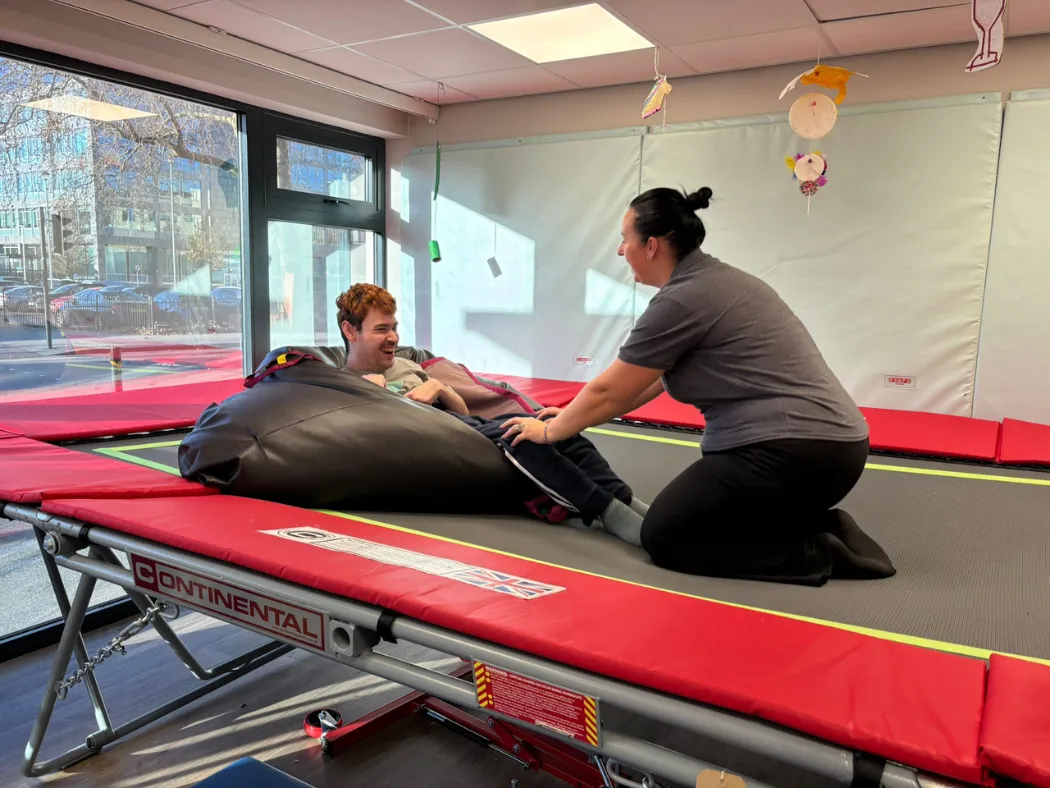
- Inspired Day Care ServicesBenefits of Sensory Activities for Individuals with Complex Health Needs26/01/2026What Are Sensory Activities and How Do They Work? Sensory activities are therapeutic exercises designed to engage one or more of the five senses, sight, sound, touch, taste, and smell. These activities can involve physical movement, exposure to various textures, listening to calming music, or engaging with visual stimuli, all with the goal of providing…